

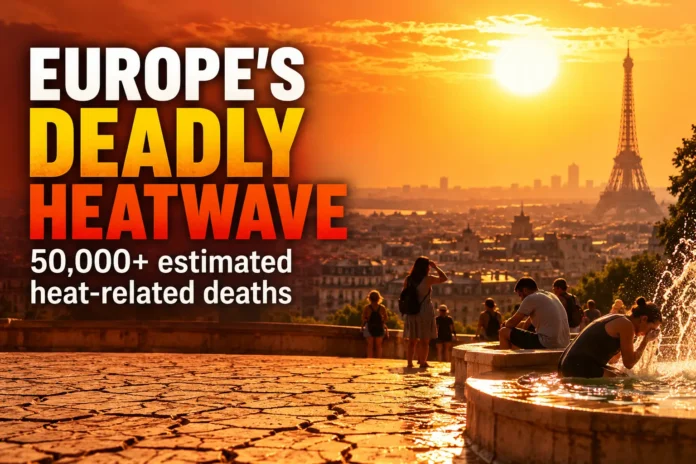
Recent epidemiological assessments have revealed a staggering reality across Europe: unprecedented heatwaves have claimed more than 50,000 lives, cementing extreme heat as one of the continent’s deadliest natural hazards. What was once viewed as an uncomfortable summer anomaly has officially evolved into a full-scale public health emergency, overwhelming healthcare networks and exposing critical vulnerabilities in modern urban infrastructure.
The Hidden Mechanics of a Silent Crisis
Unlike flash floods, wildfires, or violent storms, extreme heat rarely leaves visible physical destruction in its wake. Instead, its impact is measured through excess mortality data collected by public health organizations and climate researchers. When ambient temperatures shatter records and remain elevated for weeks, the human body struggles to maintain thermal equilibrium, triggering acute cardiovascular and respiratory failure.
The vast majority of victims are older adults, individuals with chronic health conditions, and socially isolated residents. While southern nations such as Spain, Italy, and Greece bore the brunt of the highest raw temperatures, central and northern European regions faced acute mortality spikes. In many of these areas, residential homes and care facilities are historically engineered to retain warmth, lacking active air conditioning or adequate cross-ventilation.
Why European Cities Are Magnifying Heat Stress
Rapid urbanization and the persistent “urban heat island” effect have significantly magnified the severity of these thermal events. Dense concentrations of asphalt, glass, and concrete absorb immense amounts of solar radiation during the day and radiate it back into the atmosphere at night.
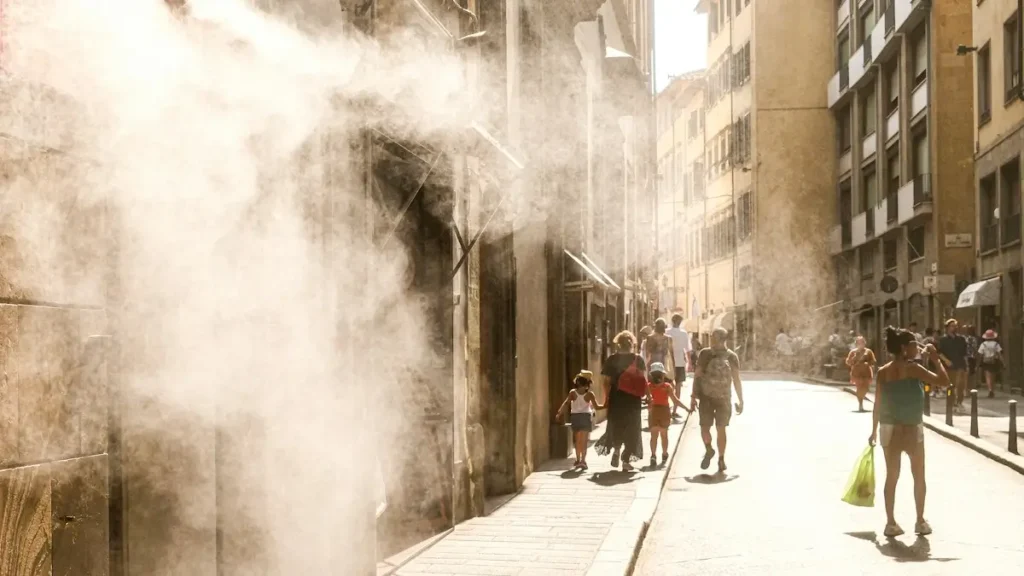
- Loss of Nighttime Recovery: Elevated nocturnal temperatures prevent human bodies from cooling down, leading to cumulative cardiovascular strain over consecutive days.
- Architectural Mismatches: Millions of older European apartments were designed for temperate, cold climates, effectively functioning as thermal traps during prolonged heatwaves.
- Socioeconomic Disparities: Low-income urban neighborhoods frequently feature less tree canopy cover and fewer resources to afford continuous mechanical cooling.
Shifting from Emergency Relief to Permanent Adaptation
In response to the mounting casualties, municipal leaders across Europe are accelerating emergency adaptation strategies. Cities like Paris, Madrid, and Frankfurt have introduced dedicated “cool island” networks, transformed schoolyards into green spaces, and implemented strict workplace safety regulations to halt outdoor labor during peak daytime hours.
Public health agencies are also revamping their alert systems, treating high heat indexes with the same operational urgency as hurricanes or catastrophic blizzards. Nevertheless, climatologists warn that current measures are lagging behind the pace of warming. As global baseline temperatures continue their upward trajectory, public health experts emphasize that without aggressive emissions reductions and sweeping urban retrofits, catastrophic mortality tolls may soon become the continent’s regular summer baseline.
