

Introduction
In a significant step towards preserving India’s intangible cultural heritage, Mizoram’s Department of Art & Culture, in collaboration with the Mizoram Science, Technology & Innovation Council (MISTIC), recently conducted a comprehensive training-cum-awareness programme focused on the preservation of GI-certified Mizo shawls, locally known as ‘puan.’ Attended by artisans, experts, and officials, this initiative highlights the commitment of local authorities and communities to protect, sustain, and celebrate the region’s iconic handloom legacy.
Understanding the Importance of GI Certification
The Geographical Indication (GI) tag provides legal protection and global recognition to five major varieties of Mizo shawls: Puanchei, Pawndum, Ngotekherh, Hmaram, and Tawlhlohpuan. These tags serve as both a shield against counterfeiting and a marker of authenticity, ensuring that these intricate textiles remain the intellectual property of the Mizo people. The GI tag also supports economic development by building consumer trust in the originality of these handloom products.
Cultural Significance and Heritage
Each GI-certified Mizo shawl is imbued with a tapestry of stories, rituals, and meanings. For instance, the Tawlhlohpuan symbolizes bravery and is associated with tales of historic Mizo warriors, while the Hmaram shawl is integral to the Hmar tribe’s cultural identity, adorning ceremonies and annual festivals. The Puanchei, celebrated for its vibrant palette, is an essential part of Mizo dances and marriage rituals, representing both tradition and festivity.
Weaving it is more than craft—it is heritage, social identity, and community livelihood, often passed from mothers to daughters over generations.
Training Program Highlights: Protecting Methods and Standards
Held in the weaving heartland of Thenzawl, the training programme drew 71 members from two leading local handloom societies. Sessions delved into:
- The legal protections and responsibilities conferred by the GI tag
- The technical specifications of each registered puan
- The importance of preserving traditional hand-weaving methods and motifs
Experts such as F Lalthanmawia (Art & Culture Department), Boichhingpuii (retired director and textile historian), and scientists from MISTIC led the training, offering both theoretical insights and practical demonstrations. Artisans received hands-on guidance to ensure every GI-listed puan woven aligns with both legal and traditional standards.
Women at the Forefront of Tradition
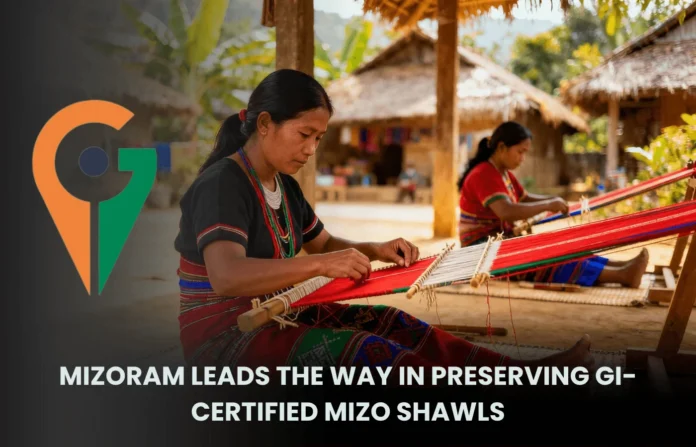
Traditionally, Mizo women are the custodians of the weaving art, skillfully using loin looms and hand-spun cotton. The process is labor-intensive, often taking days to create a single shawl. This not only preserves age-old know-how but also empowers rural communities both socially and economically. Villages like Thenzawl, with their handloom societies, are vital centers for knowledge transfer and artisanal enterprise, fostering resilience and pride in Mizo heritage.
Economic and Social Impact
For many, puan weaving is a primary livelihood. With the GI tag, local weavers and artisan groups can market their products at premium prices, access new markets, and safeguard against unfair competition and duplication. This also incentivizes youth and future generations to learn, master, and continue these traditional skills, strengthening the socio-economic fabric of Mizoram
Addressing Challenges and the Way Forward
Though celebrated, GI-certified weaving practices face ongoing challenges—ranging from market pressures and design dilution to inadequate awareness about intellectual property rights. The government, alongside private and community bodies, continues to run awareness and upskilling programs, such as the “Samarth Training Program,” to ensure artisans are well versed in both tradition and law. Legal notices against unauthorized imitation are regularly served, reinforcing the importance of adhering to GI specifications and upholding authenticity.
Conclusion: A Model for Heritage Conservation
Mizoram’s efforts in safeguarding the GI-certified puan serve as a national model, demonstrating how legal protections, community participation, and government support can combine to keep cultural heritage alive. These initiatives not only preserve weaving traditions but also shine a light on the artistry, resilience, and identity of the Mizo people, ensuring their vibrant legacy endures for generations to come.
