

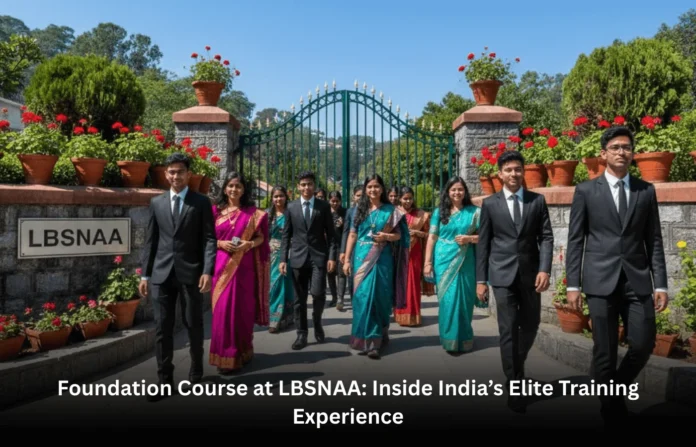
Every year, a fresh batch of young achievers climbs the winding roads of Mussoorie with a mix of pride, nervous energy, and hope. For them, reaching the Lal Bahadur Shastri National Academy of Administration (LBSNAA) is more than a milestone—it is the beginning of a lifelong commitment to public service. And at the heart of this journey lies the Foundation Course at LBSNAA, a training phase that shapes not just officers but future nation-builders.
Many aspirants assume that LBSNAA is all about academics, discipline, and physical training. While all of that is true, the real magic of the Foundation Course lies in its ability to break mental barriers, widen perspectives, and build a strong ethical compass. The experiences during these initial weeks often influence an officer’s leadership style throughout their career.
If you’ve ever wondered what really happens during those foundational months—or why they matter so much—this deep-dive walks you through the essence, purpose, design, and long-term impact of this iconic training program.
What Is the Foundation Course at LBSNAA?
The Foundation Course at LBSNAA is the first structured training program for candidates who have cleared India’s Civil Services Examination and been allocated to various All India and Central Services. It brings together young professionals—probationers of the IAS, IPS, IFS, IRS, and other Group A services—under one umbrella before they proceed to their specialized service-specific training.
The purpose is simple yet profound: Create a shared administrative ethos and foster inter-service camaraderie that lasts decades.
This initial exposure isn’t about producing specialists. It is about cultivating generalists who understand India’s diversity, constitutional values, administrative responsibility, and the scale of governance challenges.
Why the Foundation Course at LBSNAA Matters More Than You Think
The Foundation Course isn’t just another orientation program. It is designed to transform individuals who have excelled academically into leaders who can think, empathize, and act responsibly.
Many senior civil servants often recall their Foundation Course as the most memorable period of their training journey. That’s because it provides:
- The first real taste of life in the services
- Exposure to the administrative ecosystem
- Opportunities to collaborate across service lines
- Mentors who shape perspectives
- Lifelong friendships and networks
In a world where public administration continues growing in complexity—digital governance, climate resilience, cybersecurity, public health, and socioeconomic equity—the shared foundation built here becomes indispensable.
How the FC at LBSNAA Builds a Strong Administrative Base
The curriculum is meticulously designed to balance intellectual learning, physical endurance, and character-building experiences. This is how the course molds future officers.
1. Academic Framework: Learning the Pulse of Governance
Understanding the Indian Administrative Machinery
The academic modules provide an insider’s look into how the Indian state functions. Trainees explore:
- The Constitution of India
- Public administration theories
- Economic development and policy
- Governance and accountability systems
- Law, order, and basic legal understanding
Rather than dry textbook learning, LBSNAA introduces real-world case studies, district-level examples, and interactive sessions anchored in lived experiences.
Faculty Insights and Practitioner Interaction
One of the most enriching aspects is exposure to former bureaucrats, domain experts, and policymakers who share practical insights. Their narratives make governance come alive.
Many sessions draw from real-life stories—flood management, tribal welfare, public health campaigns, disaster response, digital service delivery—helping officer trainees understand how policies translate into impact.
2. Physical Training: Strengthening Body and Mind
Morning Drills and Fitness Regime
Every day begins early—with PT at the Polo Ground, a scenic valley surrounded by mist-covered hills. This discipline:
- Enhances stamina
- Builds mental resilience
- Cultivates team spirit
- Encourages a healthy lifestyle
Trekking and Adventure Activities
The signature highlight is the Himalayan Trek, where trainees hike through remote terrains. It’s not simply an excursion—it’s leadership in action.
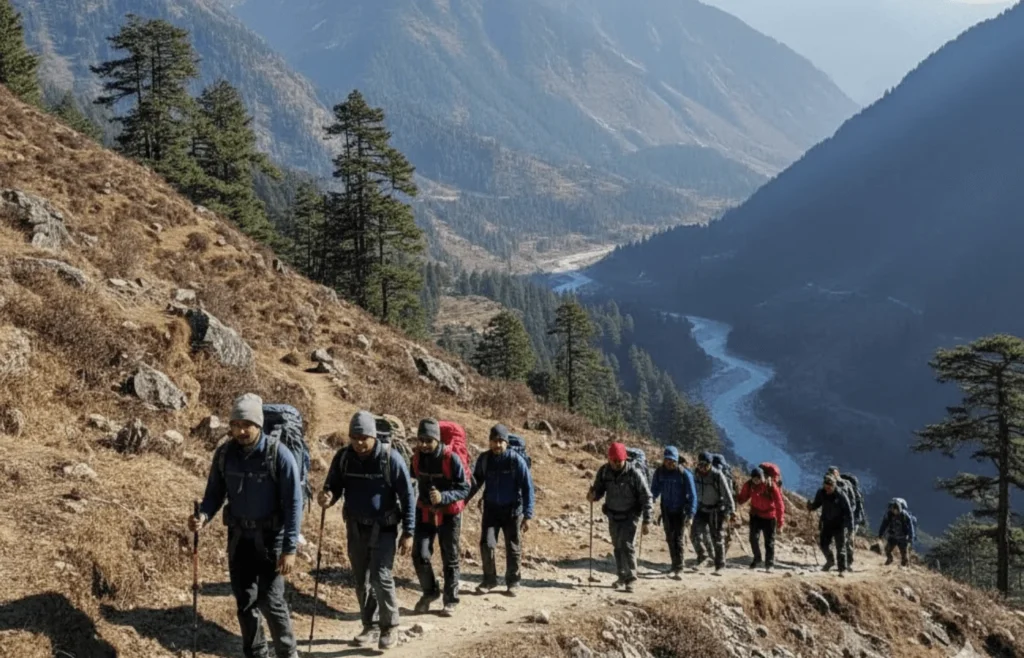
Officer trainees experience:
- Harsh weather
- Limited resources
- Real teamwork
- Decision-making under pressure
Many officers later say the trek taught them more about leadership and empathy than any classroom session.
3. Extra-Curricular Activities: Bringing Out Each Officer’s Unique Personality
Clubs, Societies, and Cultural Evenings
The Foundation Course encourages creativity and collaboration through:
- Theatre
- Music and dance
- Debate and literature clubs
- Photography
- Adventure sports
- Social work initiatives
These activities nurture confidence, communication, and cross-cultural understanding—crucial qualities for public-facing administrators.
Athletic Events and Competitions
From football tournaments to obstacle courses, athletic events build healthy competition, determination, and sportsmanship.
4. Ethics, Values, and Emotional Intelligence: The Heart of Governance
Sessions on Ethical Governance
Officers repeatedly confront ethical dilemmas throughout their career.
The Foundation Course addresses this through modules on:
- Integrity and accountability
- Conflict of interest
- Transparency in governance
- Citizen-focused decision-making
Rather than preach ethics, LBSNAA uses scenario-based simulations that bring dilemmas to life.
Diversity and Inclusion Awareness
India’s administrators serve a nation known for its immense diversity. Through group discussions, community interactions, and field visits, officer trainees gain a deeper appreciation of:
- Social inequities
- Regional identities
- Economic disparities
- Cultural sensitivities
This understanding forms the ethical bedrock of empathetic governance.
5. Management, Communication & 21st-Century Skills
Leadership and Team Building Workshops
Experts conduct specialized workshops on:
- Negotiation
- Crisis management
- Conflict resolution
- Project management
- Public communication
These skills empower officers to handle real-world administrative challenges from day one.
The Role of Peer Learning: Creating Bonds That Influence Careers
One of the most underrated aspects of the Foundation Course at LBSNAA is peer learning. Trainees often say they learned as much from each other as from formal modules.
With diverse educational and professional backgrounds—engineers, doctors, lawyers, economists, academics—each officer trainee brings unique perspectives.
This collaborative environment fosters:
- Mutual respect
- Intellectual growth
- Lifelong professional alliances
Many officers rely on these networks decades later when coordinating across departments and services.
How the FC Shapes Future Administrators: Long-Term Impact
1. Builds a Shared Administrative Culture: Despite belonging to different services, all trainees begin with the same value system—discipline, empathy, ethics, and public service.
2. Develops Leadership That Adapts to Change: Through experiential learning, trainees develop clarity of thought, adaptability, and resilience.
3. Cultivates Service Identity: Officers transition from aspirants to administrators with a renewed sense of responsibility.
4. Encourages Innovation in Governance: Workshops and hands-on activities motivate trainees to think creatively and devise practical solutions.
Recent Trends and Evolving Relevance of the Foundation Course
In recent years, the Foundation Course has integrated newer themes to stay relevant:
- Digital governance and AI in public systems
- Climate resilience and sustainable development
- Data analytics for policy
- Cybersecurity and emerging threats
- Public health preparedness
These updates ensure that the training mirrors the rapidly changing governance landscape.
External sources covering these reforms include platforms like The Hindu (reporting on training reforms) and the Department of Personnel & Training (DoPT) website, which shares updates on administrative training.
Conclusion: The Foundation Course at LBSNAA Is Where Officers Are Truly Born
While cracking the UPSC exam is a monumental achievement, it is the Foundation Course at LBSNAA that transforms aspirants into responsible officers. It’s here that they learn to serve with compassion, lead with integrity, and shoulder the weight of public duty with confidence.
Whether it’s the early morning runs, the Himalayan trek, the lecture halls, or the friendships forged in the hills of Mussoorie—these experiences leave a lasting imprint. The FC doesn’t just prepare officers for their first posting; it builds the foundation for an entire career dedicated to nation-building.
