
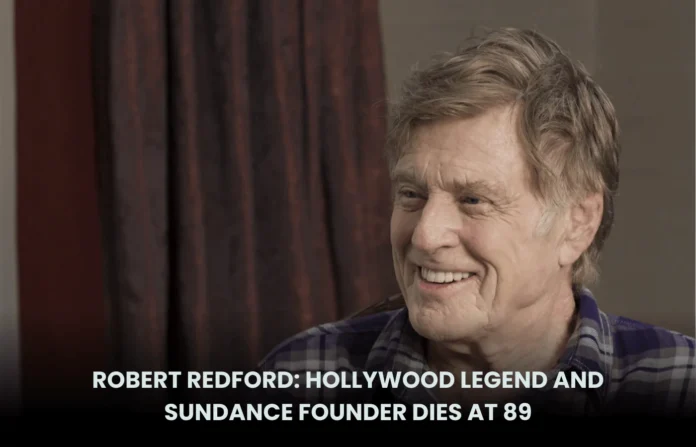
Utah, September 16 — The world of cinema is mourning the loss of one of its greatest icons. Robert Redford, the acclaimed actor, Oscar-winning director, and visionary founder of the Sundance Film Festival, has died at the age of 89. His publicist confirmed that he passed away peacefully at his home in Utah, surrounded by the natural beauty he cherished throughout his life.
A Hollywood Journey Like No Other
Robert Redford’s career was nothing short of extraordinary, spanning more than six decades and touching nearly every aspect of filmmaking. Born in Santa Monica, California, in 1936, Redford rose from modest beginnings to become one of the most recognizable faces in Hollywood. His striking looks, combined with an innate charisma, made him a star of the silver screen in the 1960s and ’70s, but his career never fit neatly into the mold of traditional celebrity.
Robert Redford’s breakout role came with Butch Cassidy and the Sundance Kid (1969), where he played the charming outlaw Sundance opposite Paul Newman. The film was an instant classic, catapulting Redford to international fame. Just a few years later, he reunited with Newman in The Sting (1973), another box office triumph that won the Academy Award for Best Picture.
Beyond his charisma, Redford demonstrated a rare depth, choosing projects that carried political and social weight. His portrayal of journalist Bob Woodward in All the President’s Men (1976), chronicling the Watergate scandal, remains one of the most influential political films ever made. With each role, he proved himself more than just a Hollywood heartthrob—he was an artist unafraid to challenge audiences.
From Leading Man to Acclaimed Director
Redford’s talents extended well beyond acting. In 1980, he made his directorial debut with Ordinary People, a family drama that earned him the Academy Award for Best Director. The film’s quiet intensity and emotional depth set a high bar for directors of the era and announced Redford as a filmmaker of vision and sensitivity.
He would go on to direct and produce numerous films, including A River Runs Through It (1992), which introduced Brad Pitt to a wider audience, and Quiz Show (1994), a piercing examination of ethics and corruption in television. His directorial work consistently balanced artistry with accessibility, tackling themes of morality, memory, and human resilience.
The Birth of Sundance: A Cultural Revolution
Perhaps Redford’s most enduring contribution to cinema was the creation of the Sundance Institute in 1981, which later gave rise to the Sundance Film Festival. What began as a modest initiative in the mountains of Utah blossomed into the most influential platform for independent filmmakers in the world.
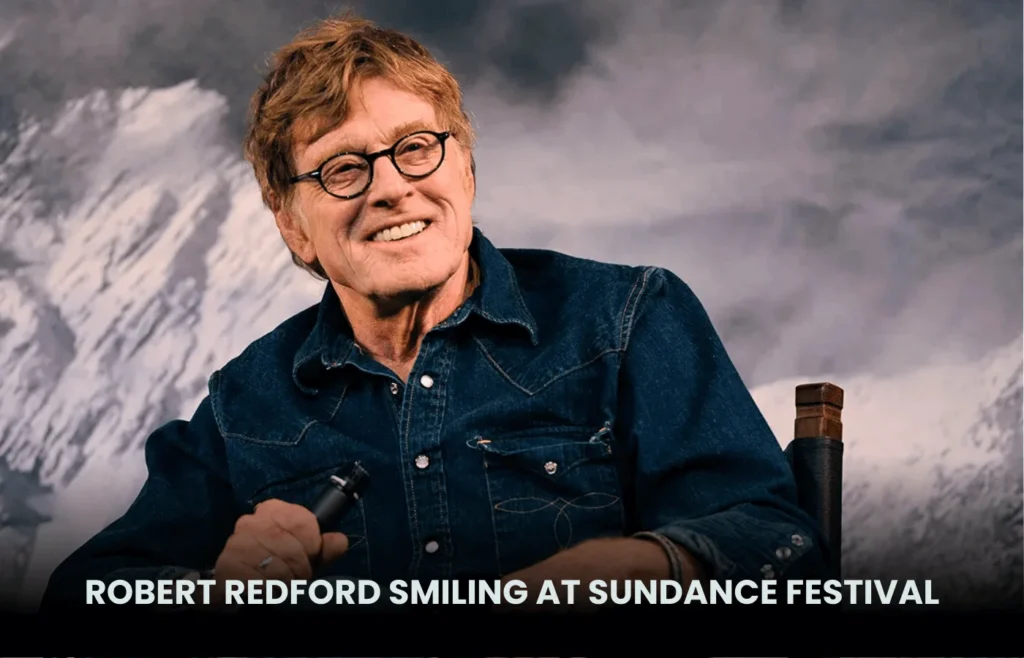
Through Sundance, Redford championed a generation of storytellers who might otherwise have been ignored by Hollywood’s studio system. Directors like Quentin Tarantino, Steven Soderbergh, Darren Aronofsky, and Ava DuVernay found their early breakthroughs on its stage. The festival reshaped modern cinema, proving that powerful and original stories could come from outside traditional industry channels.
“Sundance was never about me,” Redford once said in an interview. “It was about the stories, the artists, and the belief that independent voices matter.”
Beyond the Camera: An Advocate for the Planet
Off-screen, Redford was deeply committed to environmental activism. Long before it was fashionable for celebrities to speak out on global issues, he was using his platform to raise awareness about climate change, conservation, and the protection of public lands.
In Utah, where he lived for much of his life, Redford became a powerful voice for preserving the state’s natural beauty. He supported conservation organizations, spoke out against drilling in wilderness areas, and highlighted the importance of balancing progress with preservation. His activism earned him respect not just from environmentalists but from communities across America who shared his love for nature.
An Influence That Endures
Robert Redford’s influence extended far beyond Hollywood. He embodied a unique blend of artistry, activism, and authenticity. To fans, he was the rugged outlaw, the sharp-witted grifter, the crusading journalist. To filmmakers, he was a mentor and visionary who made space for voices that might otherwise have gone unheard. To environmentalists, he was a steadfast ally in the fight to protect the planet.
His passing marks the end of an era, but his legacy will continue to shape film, culture, and activism for generations.
Remembering a Legend
As tributes pour in from across the world, fellow actors, directors, and admirers remember Redford not just for his contributions to cinema but for the integrity with which he lived his life. His story is one of resilience, creativity, and a relentless belief in the power of storytelling to change the world.
Robert Redford is survived by his family, his body of work, and a cultural legacy that will endure as long as stories are told on screen.
